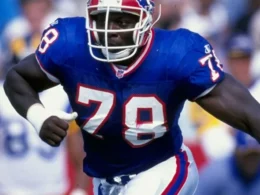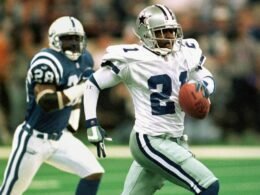




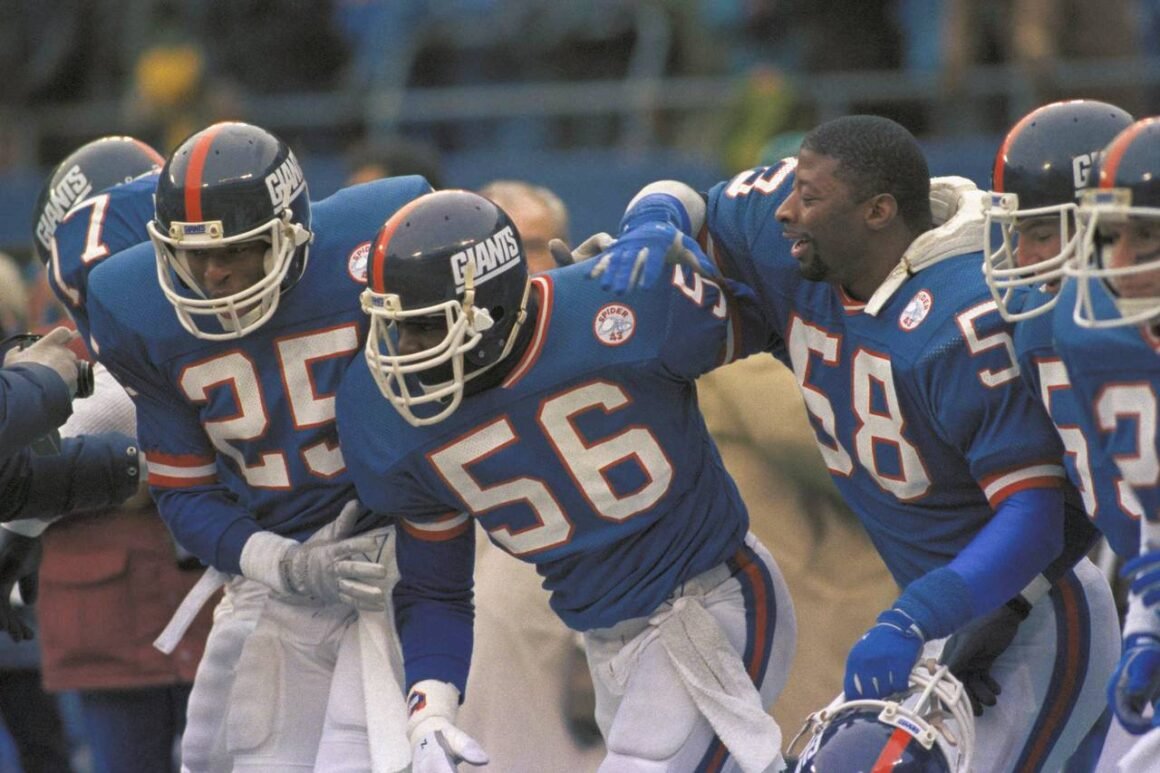

The 10 Greatest NFL Defenses of All Time represent the gold standard in intimidation, tactics, and physical dominance across different eras. This definitive edition brings together those historic walls—including the 1972 Dolphins and 1977 Cowboys—alongside an updated status report on the Minnesota Vikings during the 2026 season.
The All-Time Top 10: The Walls That Conquered the NFL
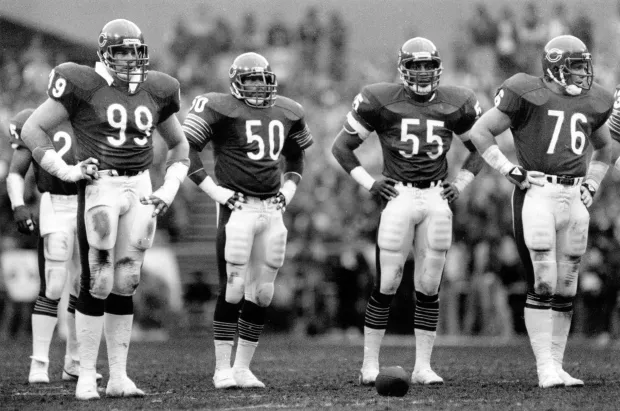
1. 1985 Chicago Bears: The “46” Defense Revolution
Impact and legacy. Designed by defensive coordinator Buddy Ryan, their “46” scheme crowded the line of scrimmage with eight men, unleashing relentless chaos on opposing quarterbacks.
Key stats. They finished with a 15-1 record, allowing just 12.4 points and 258.4 yards per game. They racked up 64 sacks and 34 interceptions during the regular season.
Super Bowl. They won Super Bowl XX by crushing the New England Patriots 46-10, after shutting out both of their previous postseason opponents.
Key figures and numbers. Linebacker Mike Singletary (109 tackles), defensive end Richard Dent (17.0 sacks and Super Bowl MVP), and defensive lineman Dan Hampton led a unit featuring four future Hall of Famers.
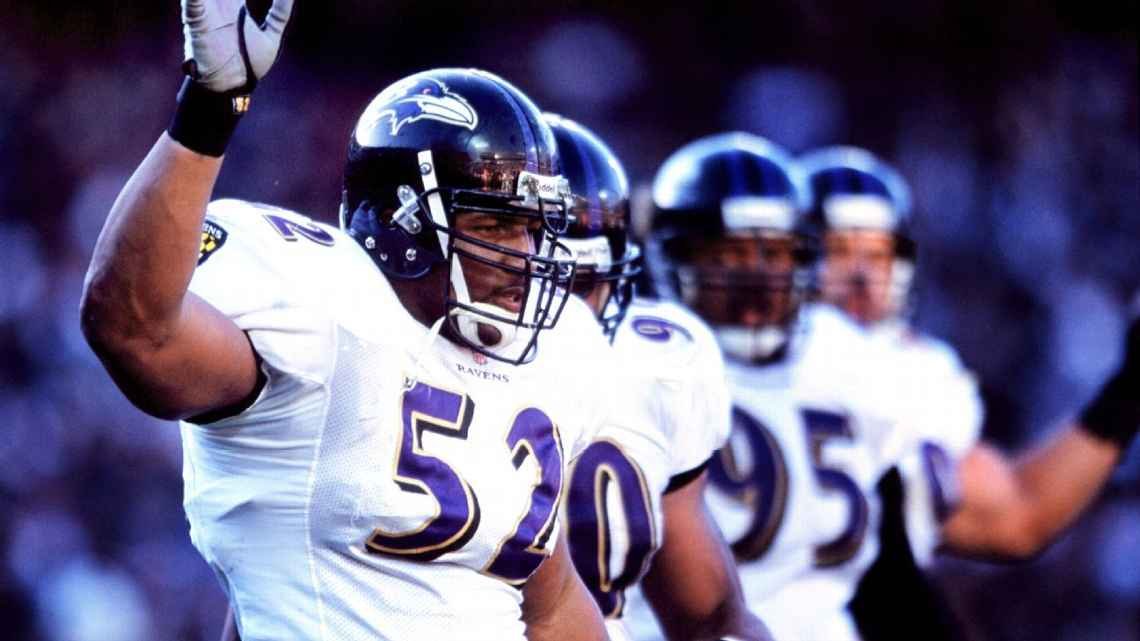
2. 2000 Baltimore Ravens: Perfection Against the Run
Impact and legacy. In an era when the ground game remained the centerpiece of most offenses, Baltimore built an impenetrable wall that carried the team through five consecutive games without scoring an offensive touchdown.
Key stats. They set the all-time 16-game era record by allowing just 165 total points (10.3 per game) and 247.9 yards per contest. They held opponents to an average of 2.69 yards per carry.
Super Bowl. They captured Super Bowl XXXV by defeating the New York Giants 34-7, allowing zero points from New York’s offense.
Key figures and numbers. Middle linebacker Ray Lewis (137 tackles, Defensive Player of the Year, and Super Bowl MVP), cornerback Rod Woodson (4 interceptions), and defensive tackles Sam Adams and Tony Siragusa.
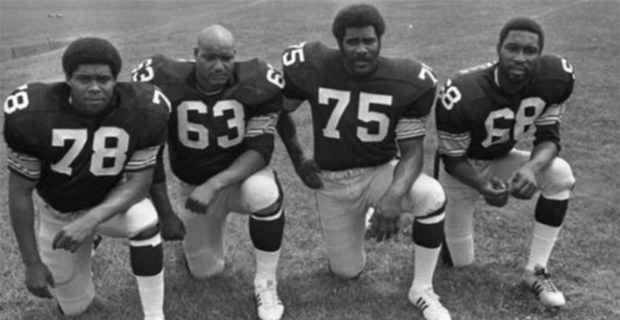
3. 1976 Pittsburgh Steelers: The “Steel Curtain” at Its Peak
Impact and legacy. This squad represents the pinnacle of physical intimidation prior to the 1978 rule changes that opened up the passing game.
Key stats. After starting 1-4, they closed the season with nine straight wins, recording five shutouts during that stretch and allowing just 138 points in 14 games (9.8 per game).
Super Bowl. They did not win the title that year, falling in the AFC Championship Game to Oakland after losing both of their starting running backs to injury.
Key figures and numbers. Linebacker Jack Lambert (Defensive Player of the Year), defensive tackle Joe Greene, cornerback Mel Blount, and linebacker Jack Ham.
4. 2013 Seattle Seahawks: The “Legion of Boom”
Impact and legacy. At the height of modern pass-happy offenses, Seattle proved that a physical, tall, and fast secondary could dismantle the most prolific offense in NFL history.
Key stats. They led the NFL in points allowed (14.4 per game), total yards (273.6 per game), and takeaways (39, including 28 interceptions).
Super Bowl. They won Super Bowl XLVIII by routing Peyton Manning and the Denver Broncos 43-8.
Key figures and numbers. Cornerback Richard Sherman (8 interceptions), safeties Earl Thomas (105 tackles, 5 interceptions) and Kam Chancellor (99 tackles), alongside linebacker Bobby Wagner.
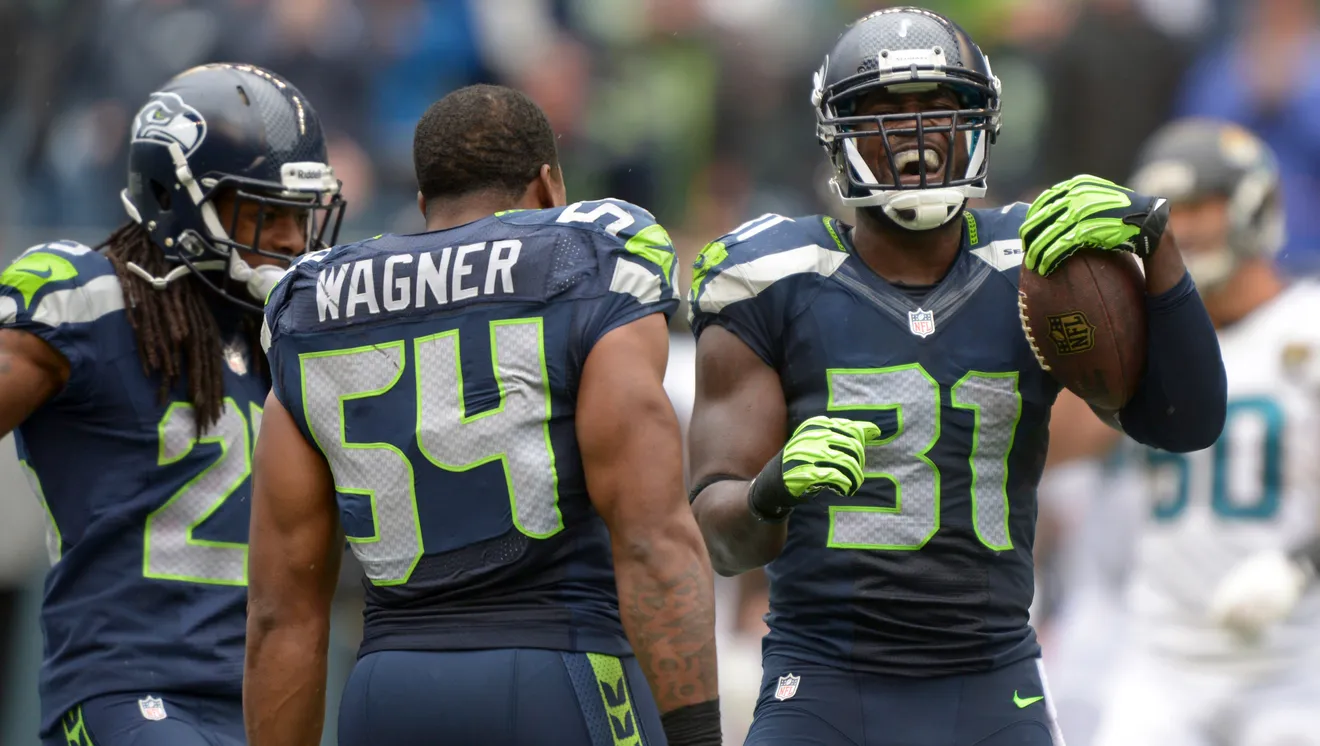
Seahawks safety Kam Chancellor (right) celebrates with cornerback Richard Sherman (left) and linebacker Bobby Wagner. Photo: courtesy of Kirby Lee / USA Today
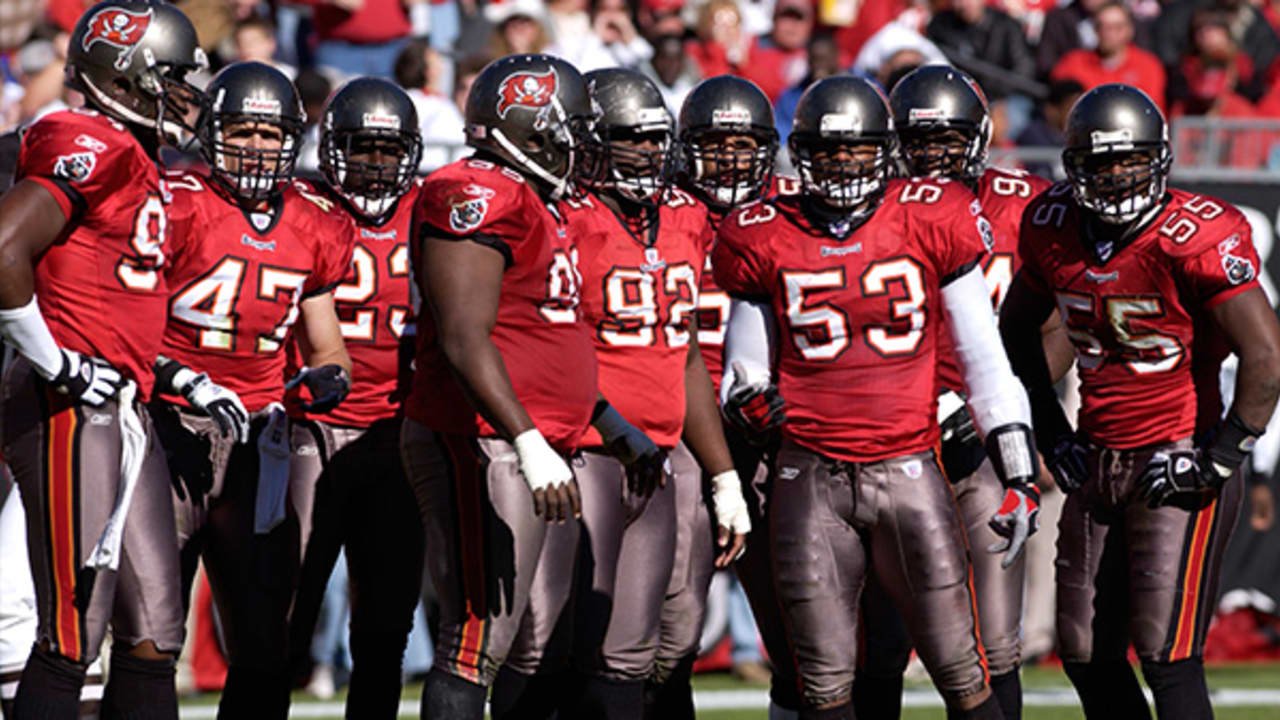
5. 2002 Tampa Bay Buccaneers: The Perfect “Tampa 2” Machine
Impact and legacy. They perfected the zone scheme designed by Tony Dungy and executed by Monte Kiffin, turning every opposing pass into a threat to be returned for a touchdown.
Key stats. They finished as the No. 1 defense in points allowed (12.3 per game, 196 total) and total yards (252.8 per game), tallying 31 interceptions and 43 sacks.
Super Bowl. They won Super Bowl XXXVII 48-21 over the Oakland Raiders, grabbing 5 interceptions (three returned for touchdowns) in the big game.
Key figures and numbers. Linebacker Derrick Brooks (Defensive Player of the Year, 5 interceptions, and 3 defensive touchdowns), defensive tackle Warren Sapp (7.5 sacks), defensive end Simeon Rice (15.5 sacks), and safety John Lynch.
6. 1972 Miami Dolphins: The “No-Name Defense”
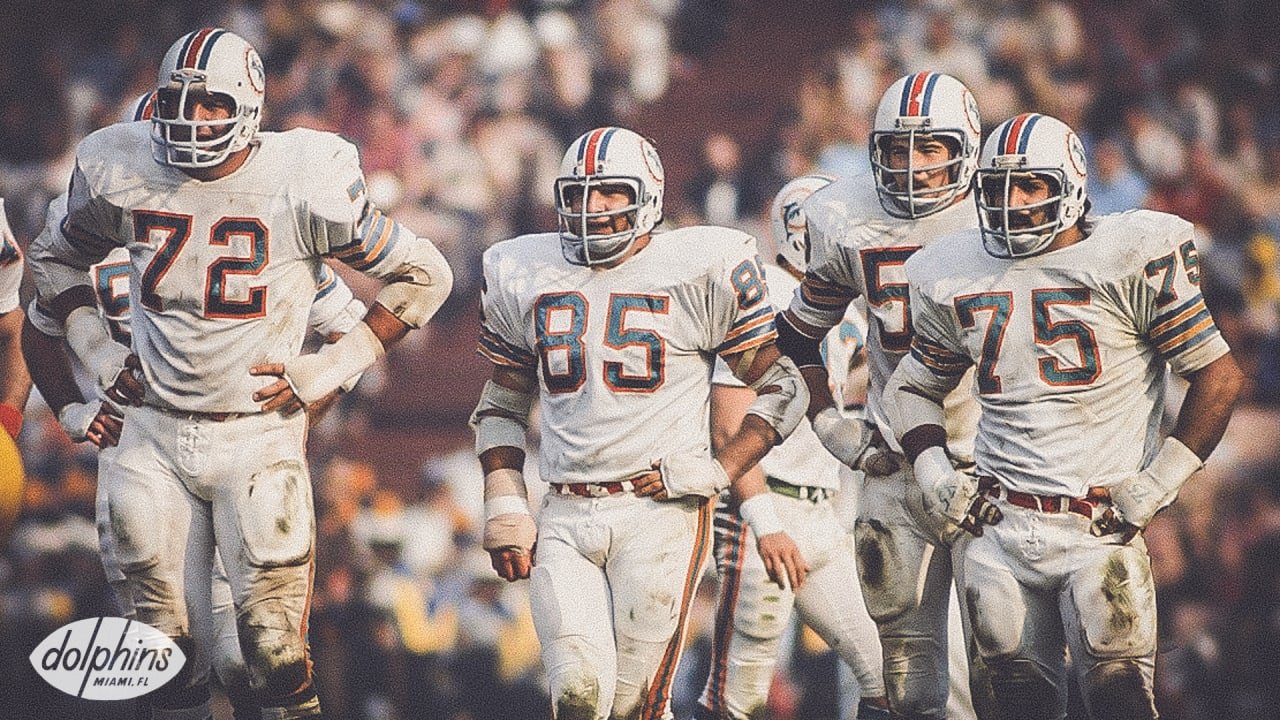
Impact and legacy. Coached by Don Shula and coordinated by Bill Arnsparger, this unit operated without media superstars and executed with surgical precision to anchor the only undefeated, perfect season in NFL history (17-0).
Key stats. They led the league in points allowed (12.2 per game, 171 in 14 games) and total yards allowed (235.5 per game), while forcing 42 turnovers.
Super Bowl. They capped off perfection in Super Bowl VII with a 14-7 victory over Washington, holding the opposing offense scoreless the entire game.
Key figures and numbers. Safety Jake Scott (5 regular-season interceptions and Super Bowl MVP with 2 interceptions), linebacker Nick Buoniconti, and defensive end Bill Stanfill (18.5 unofficial sacks).
7. 1986 New York Giants: The “Big Blue Wrecking Crew”
Impact and legacy. Coordinated by Bill Belichick, they revolutionized the outside linebacker position into an unstoppable predator, forcing teams to invest heavily in left tackles to protect their quarterback’s blind side.
Key stats. They finished second in points allowed (14.8 per game) and total yards (297.3 per game), posting 59 sacks and 43 takeaways. Across their first two playoff games, they surrendered just 3 combined points.
Super Bowl. They claimed Super Bowl XXI by defeating the Denver Broncos 39-20.
Key figures and numbers. Linebacker Lawrence Taylor (NFL MVP and Defensive Player of the Year with 20.5 sacks), flanked by Harry Carson, Carl Banks, and Leonard Marshall (12.0 sacks).

8. 1977 Dallas Cowboys: The “Doomsday Defense”
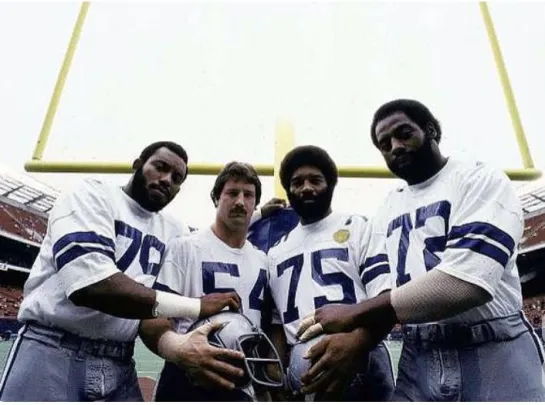
Impact and legacy. At its peak under Tom Landry’s “Flex” scheme, this defense combined speed and power to completely suffocate opposing rushing attacks.
Key stats. They ranked No. 1 in the NFL in total yards allowed (230.2 per game) and rushing defense (117.2 rushing yards per game), allowing 15.1 points per contest and forcing 38 takeaways.
Super Bowl. They won Super Bowl XII by dominating the Denver Broncos 27-10, forcing 8 turnovers in the title game.
Key figures and numbers. Defensive tackle Randy White and defensive end Harvey Martin (co-MVPs of Super Bowl XII after combining for 23 sacks during the season), alongside Ed “Too Tall” Jones and safety Cliff Harris.
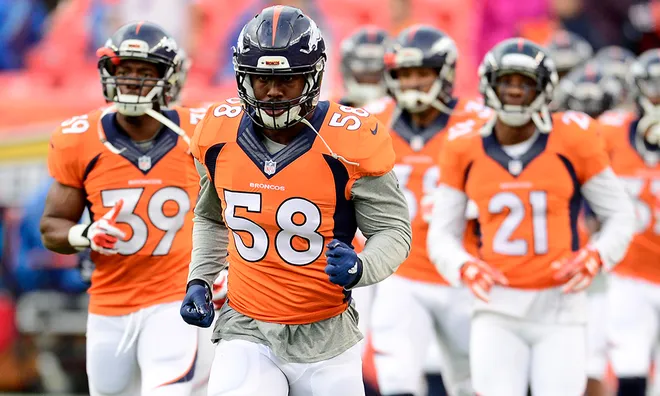
9. 2015 Denver Broncos: The “No Fly Zone”
Impact and legacy. They carried an offense hindered by Peyton Manning’s physical decline, winning tight games through relentless pass pressure and elite man-to-man coverage.
Key stats. They finished as the league’s No. 1 defense, allowing 283.1 yards per game and recording 52 sacks in the regular season.
Super Bowl. They won Super Bowl 50 24-10 against the Carolina Panthers, opening the scoring with a defensive touchdown.
Key figures and numbers. Pass rusher Von Miller (11.0 regular-season sacks and Super Bowl MVP with 2.5 sacks), DeMarcus Ware (7.5 sacks), and cornerbacks Aqib Talib and Chris Harris Jr.
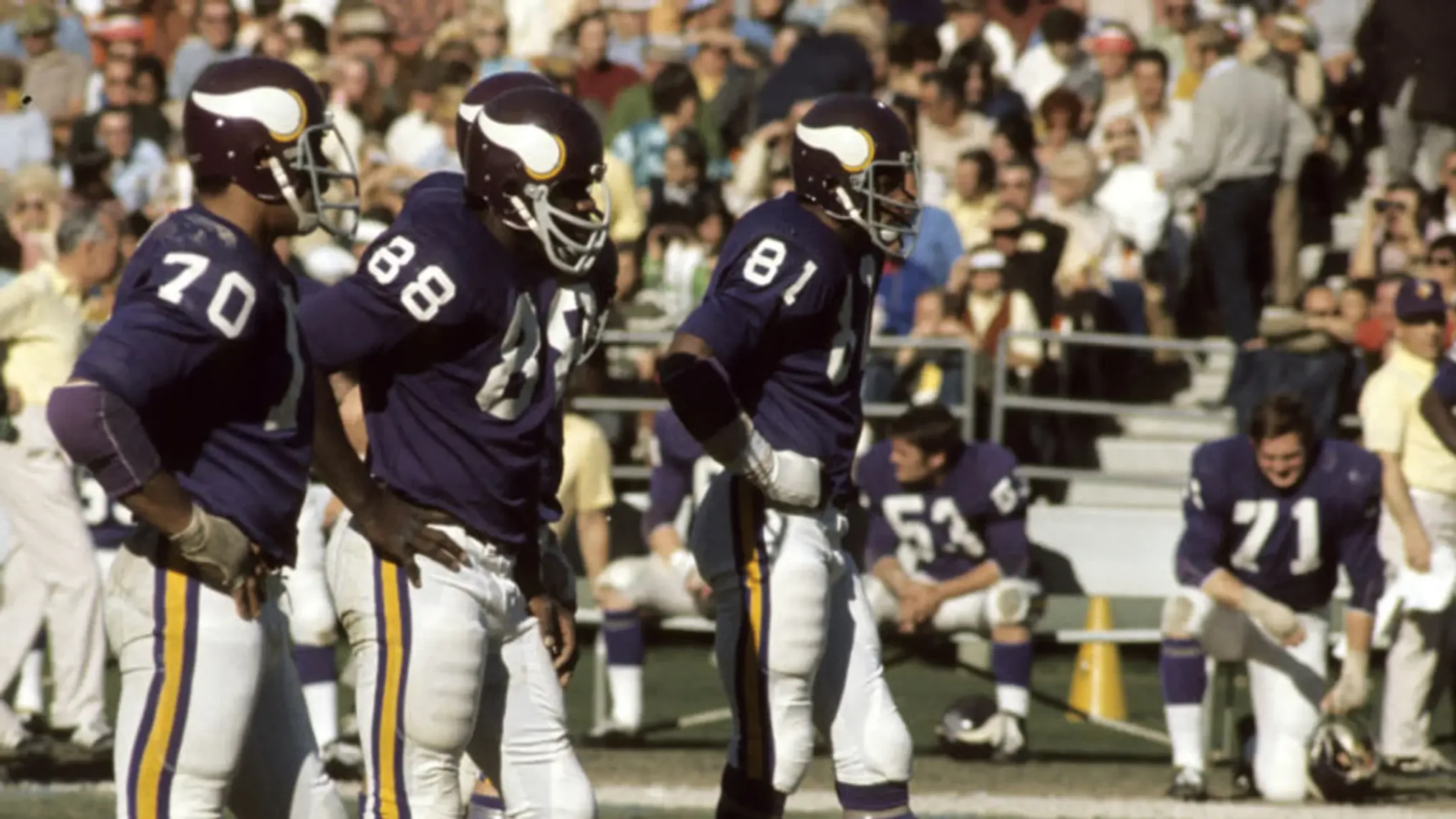
10. 1971 Minnesota Vikings: The “Purple People Eaters”
Impact and legacy. Built around the most dominant front four of their era, this unit proved that four linemen could collapse any pocket without needing extra blitzers.
Key stats. They led the NFL in points allowed (9.9 per game, giving up only 139 points in 14 games), recording 3 shutouts and 45 takeaways (27 interceptions and 18 fumble recoveries).
Super Bowl. They did not reach the Super Bowl that year, falling 20-12 to the Dallas Cowboys in the Divisional Round.
Key figures and numbers. Defensive tackle Alan Page (the first defensive player in history to win NFL MVP), defensive end Carl Eller, Jim Marshall, and safety Paul Krause (6 interceptions).
All-Time Top 10 Comparison Table
| Rank | Defensive Unit | Points / Game | Yards / Game | Takeaways | Won Super Bowl? |
|---|---|---|---|---|---|
| 1 | 1985 Chicago Bears | 12.4 | 258.4 | 54 | Yes (SB XX: 46-10) |
| 2 | 2000 Baltimore Ravens | 10.3 | 247.9 | 49 | Yes (SB XXXV: 34-7) |
| 3 | 1976 Pittsburgh Steelers | 9.8 | 237.4 | 33 | No (AFC Title Game) |
| 4 | 2013 Seattle Seahawks | 14.4 | 273.6 | 39 | Yes (SB XLVIII: 43-8) |
| 5 | 2002 Tampa Bay Buccaneers | 12.3 | 252.8 | 38 | Yes (SB XXXVII: 48-21) |
| 6 | 1972 Miami Dolphins | 12.2 | 235.5 | 42 | Yes (SB VII: 14-7) |
| 7 | 1986 New York Giants | 14.8 | 297.3 | 43 | Yes (SB XXI: 39-20) |
| 8 | 1977 Dallas Cowboys | 15.1 | 230.2 | 38 | Yes (SB XII: 27-10) |
| 9 | 2015 Denver Broncos | 18.5 | 283.1 | 27 | Yes (SB 50: 24-10) |
| 10 | 1971 Minnesota Vikings | 9.9 | 243.3 | 45 | No (Divisional Round) |